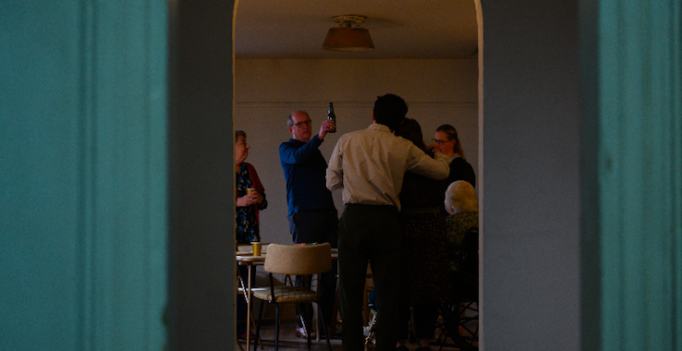
The Humans
The Humans is the type of movie that makes you want to jump through the screen. Not because the film has transported you and swallowed you up, but rather because you want a better seat and you want to tell everyone to speak up.
The Humans is the type of movie that makes you want to jump through the screen. Not because the film has transported you and swallowed you up, but rather because you want a better seat and you want to tell everyone to speak up.
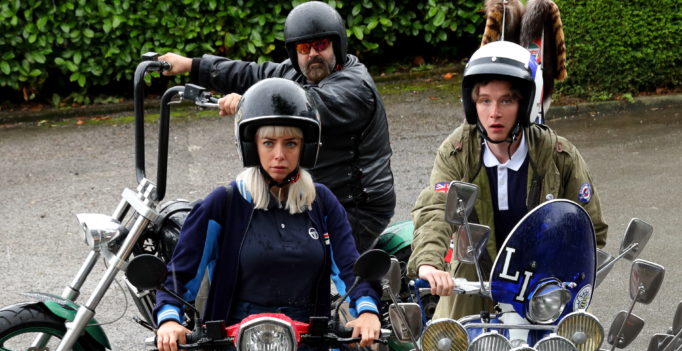
Written and directed by Chris Green (Strangeways Here We Come), The Pebble and the Boy is a sweet, quirky coming-of-age story that is as much a celebration of mod culture as it is a story of grief and growing up.
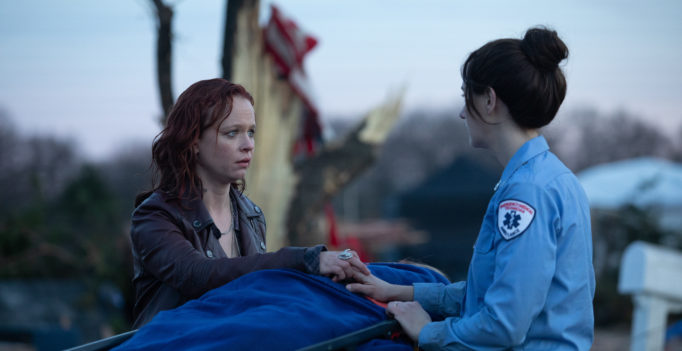
13 Minutes jostles my pet peeve with disaster movies; almost as if the movie is trying to push me over the edge.

Written and directed by Edson Oda, Nine Days is a metaphysical film that follows a lonely man named Will, played by Winston Duke (Black Panther, Us), who is tasked with interviewing human souls and deciding which one will be given a chance to live. One soul in particular, Emma (Zazie Beetz), is an independent thinker who resists the tasks Will assigns and forces him to examine his own existence.
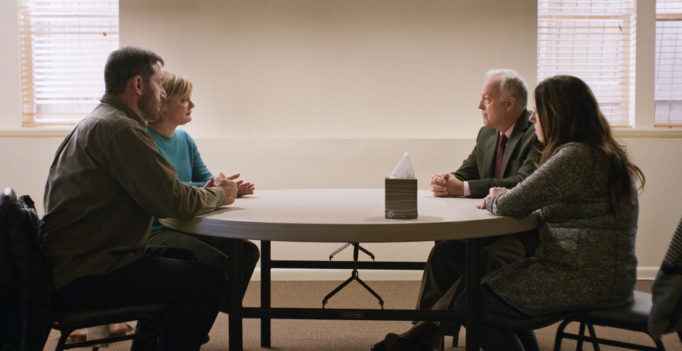
One of the most compelling movies of the year is the minimalist drama Mass, a bottle drama led primarily by its four outstanding leads (Jason Isaacs, Martha Plimpton, Ann Dowd, Reed Birney). The actors portray parents from two families, reeling from a tragedy involving their sons. After prior detached conversations, they decide to convene at a mutually chosen location – a church basement – while a mediator is stationed outside.
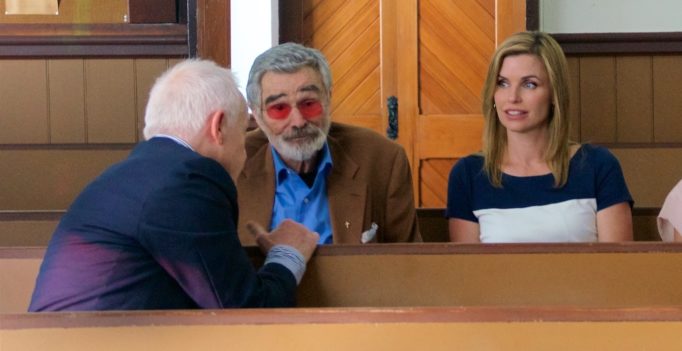
Every so often, an overly confident filmmaker comes along to lighten the mood around taboos. There was Josh Lawson’s comedic approach to bizarre sexual fetishes in The Little Death, then Dave Schultz’s tasteless handling of suicide and death in Considering Love & Other Magic, and now Stephen Wallis with Defining Moments, an exhausting flume of individual stories dealing with heavy subject matter (like mental health) and the writer/director’s unbearably quirky perspective.
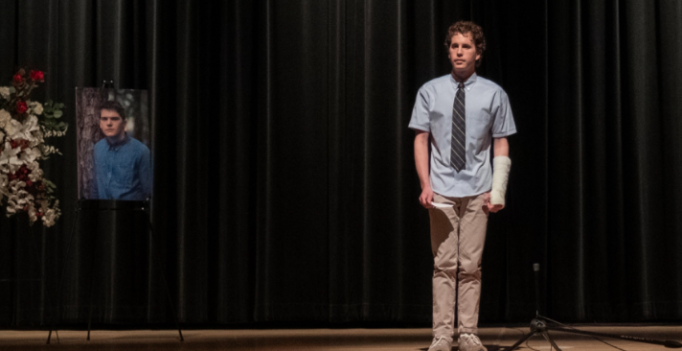
The film adaptation of Dear Evan Hansen is a solid gateway towards introducing movie goers, like me, to the award-winning stage production its adapted from. The movie creates curiosity and builds interest for those who have been wanting to see it and missed out on the opportunity to do so.

Films are rewarded when they think outside the box and resist their genre’s conventions. But sometimes, a movie can remind us of how narrative prerequisites can be misinterpreted as cliché by indifferent filmmakers.

Much like an expert poker player, writer/director Paul Schrader underplays The Card Counter. Instead of a flashier approach that boasts with style, Schrader captures the subdued focus and routine of a gambling sub-culture and its players. One of those players being William Tell (Oscar Isaac), a former serviceman who invests in high-rolling card games to keep himself distracted. It’s an efficient, time-consuming past-time that prevents William from possibly falling back into bad habits.
